BARIT POWDER
Sarmak Mining Company, with over 46 years of continuous activity in the production of industrial and mineral powders used in various industries, equipped with the most advanced production and fully automatic and modern machinery, a laboratory under international standards, extracts and processes minerals and produces various types of powder with quality specifications in accordance with global standards.
- Name:BARIT POWDER
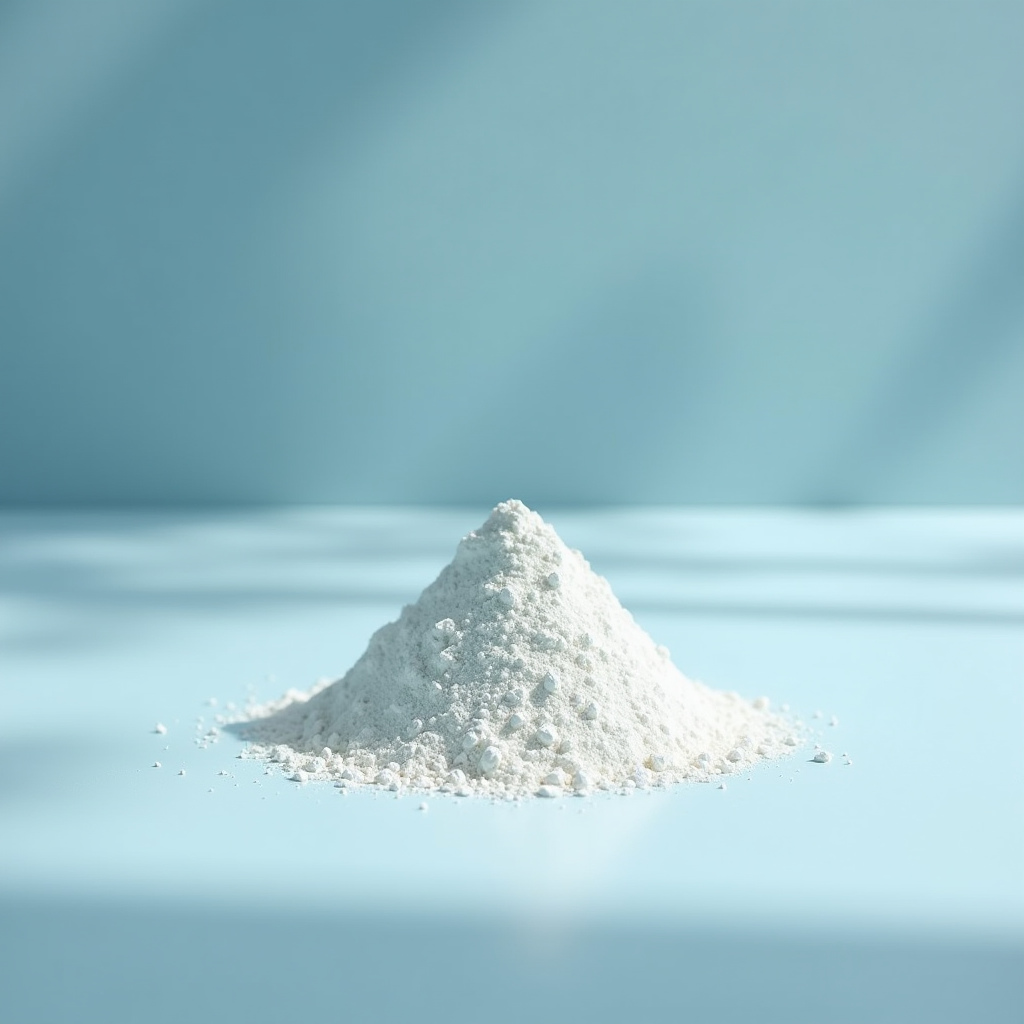
Sarmak Mining Company, with a history of over 46 years of continuous activity in the production of industrial and mineral powders used in various industries, equipped with the most advanced production machines and fully automatic and modern equipment, and a laboratory under international standards, extracts and processes minerals and produces various types of powder with quality specifications compliant with global standards.
Currently, this company, with 3 active production lines, produces barite, bentonite, calcium carbonate, hydrated lime, and micronized hematite powders based on the needs and specifications of customers.
The main consumption of the above products is in the oil well drilling industry, as well as in dam construction, tire manufacturing, brake lining manufacturing, metallurgy and casting, glass, animal feed, paint manufacturing, water treatment, oil refining, power plants, refineries, etc.
The effort and endeavor we have made in improving the quality of our products have led this company to receive ISO certification in quality management from the most reputable companies.
Contact us to purchase the highest quality and purest bentonite clay and powder in various mesh sizes, packaged or in bulk. The selling price of bentonite depends on these factors:
- Water and liquid absorption and adhesion or yield
- Product coloring (white and cream)
- Granulation or mesh size
- Type of packaging (bulk, bag, jumbo bag)
We are ready to offer this product to domestic factories and consumers, including the oil industry, and also to work closely with esteemed traders and exporters for export to target countries.
Barite
Barite is one of the common minerals of veins and usually appears with quartz and calcite. It is also found in limestone and sandstone, and an important characteristic of barite is that it is very heavy compared to other non-metallic materials.
This mineral is an industrial mineral and has many uses in industry.
Barite Specifications
Barite is normally white to light gray, but may also be found in shades of blue, brown or black. Barite has a pearly to glassy luster. Typical samples are seen as elongated orthorhombic crystals, but commercial barite is prepared in granular, crystalline masses, or nodules.
The specific gravity of this mineral is high, ranging from 4.3 to 4.6. This feature of barite is very helpful in identifying it. The hardness of barite has a considerable range of variation and varies from 2.5 to 3.5, and usually different regions produce barite with different hardnesses.
How Barite is Formed
Barite is a common mineral with widespread distribution. It is typically found as a gangue mineral in hydrothermal veins along with ores of silver, lead, copper, cobalt, manganese, antimony, and also in veins in limestone with calcite or as residual masses in clays covering limestones and also in sandstones with copper ores, in some areas it acts as a cement for sandstones. Sometimes it precipitates from hot springs.
Applications and Uses of Barite:
Oil and Gas Drilling
In deep drilling for oil and gas in the rotary method and in areas where the pressure of gas or liquid from below is high, a heavy product is needed for sounding, which, while rotating, prevents the exit of materials and controls its pressure. Due to the suitable conditions of barite in this case, it is used. In this case, barite powder is added to the ordinary solution of water and clay. Due to the useful properties of this mixture, such as heaviness, neutrality in terms of chemical composition, cleanliness and relatively cheap price, it is very popular.
Usually 3/4 of the barite produced annually is absorbed and consumed in this field. Barite is considered a vital mineral in the oil and gas drilling industry. According to 1980 statistics, about 90% of the barite produced by Rina was used in drilling mud. Barite is used in drilling mud due to its high specific gravity, ease of use during work, chemical neutrality, softness, and suitable price. The amount of barite consumed per kilometer of drilling is reported to be about 429 tons.
Preparation of Barium-Containing Chemicals
The second most important use of barite is as a source for the preparation of barium-containing chemicals, the numerous uses of which are widespread in various industries. Precipitated barium sulfate is used as a paint sealant, coating in the paper industry, rubber manufacturing, and linoleum materials. Barium chloride is used in the leather industry, textile weaving, and barium carbonate is used as a glaze and finish for ceramics.
Barium oxides are used in the glassmaking industry, electric furnaces, and metallurgy. Barium hydroxide is usually used in refining and preparing sugar from molasses. Barite is also used in many cases as a secondary component in chemical compounds. 10% of the total barite produced is used for consumption in the preparation of barium-containing chemicals.
Uses of Crushed Barite
Crushed barite is used directly as a coating for rubber manufacturing and paint fluidizers. Also, if the grain size of crushed barite is the size of coarse sand, it can be used in the glassmaking industry. In this case, barite is used as a flux to facilitate work on glass and create transparency. Crushed barite is used as a coating for cement pipes under water in the transfer of oil and gas. The reason for using barite in this case is due to its heaviness and neutrality.
Application of Barite in Ceramics
In glassmaking, it is used as a homogenizer of the molten material, reduces bubbles, and enhances the gloss and transparency of the product. Barium-containing glasses are more transparent and brighter than lead glasses. Advanced ceramics containing barium are used in the electronics industry (capacitors, earphones, speakers, and telephones) and permanent magnets.
Application of Barite in Fillers
Barite is used as a filler in the paint, plastic, paper, and rubber industries. Also, due to its high specific gravity and ability to absorb radioactive rays, it is used in the construction of cement blocks. A mixture of rubber, asphalt, and 10% barite is used in the construction of stations and airport runways. It is also used in the pharmaceutical, alloy, radiation protection industries, etc.