Attached File
Click The Link Below To Download The PDF File
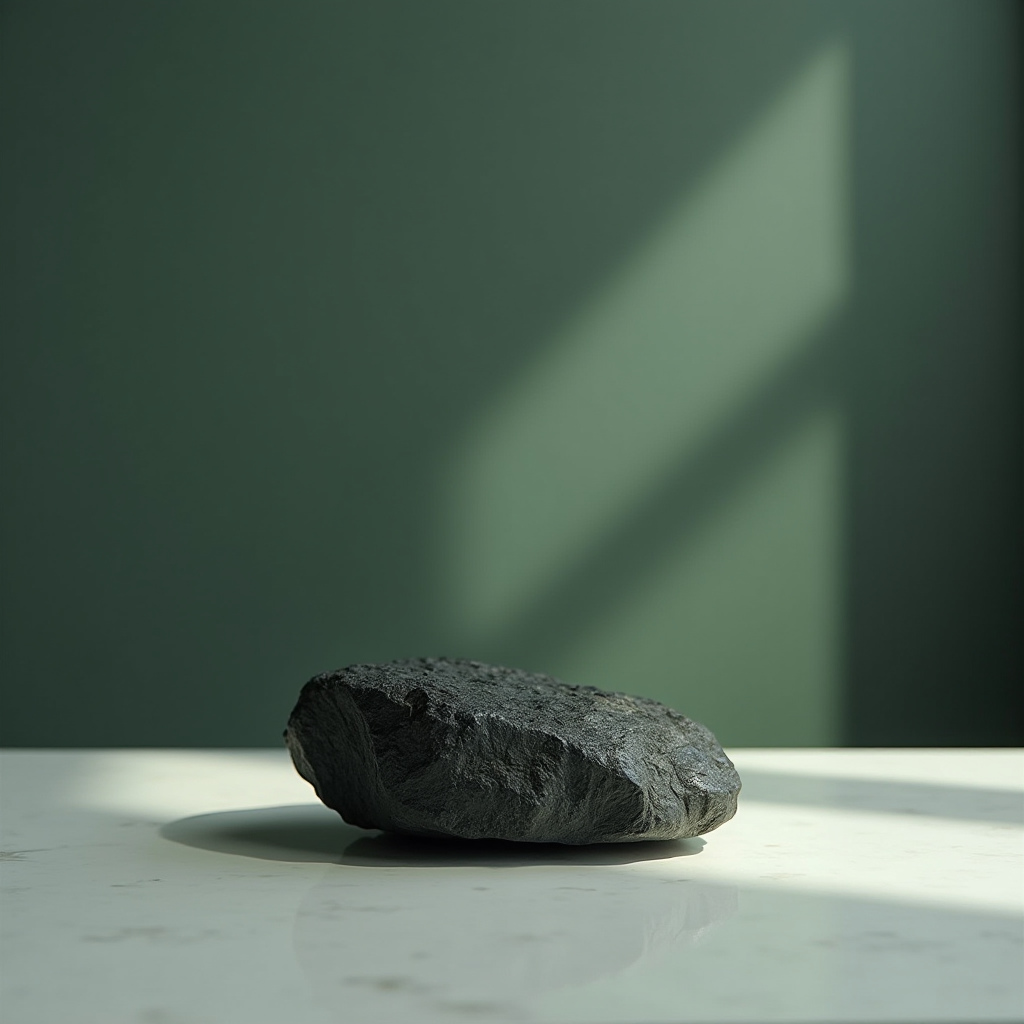
Coals are sedimentary and fuel materials that are formed from the accumulation of plant remains in land swamps or on the coasts of the sea due to metamorphic processes after chemical, physical and biological changes. This substance is formed during changes called the coalification process. During the coalification stages, organic materials are first converted to peat, then brown coal (lignite), bituminous coal, and finally anthracite and graphite are produced. With increasing the degree of coalification from peat to anthracite, the amount of coal carbon increases and ash and volatile matter decrease. Therefore, the quality of coal increases.
Chah Badam coal mine is located in Yazd province and in the central Iran area and belongs to Sormak Mining Company. This mine is located in Yazd province, about 233 km east of Yazd city, in Bahabad city.
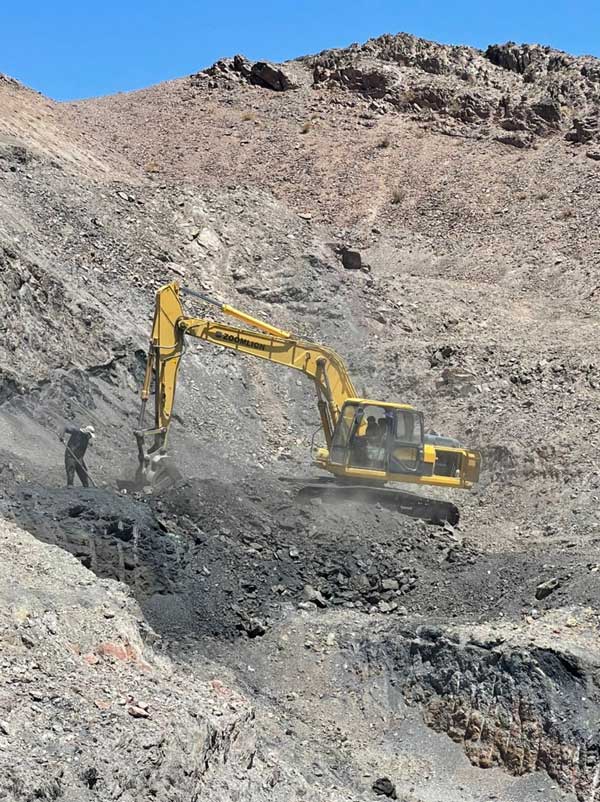
Bahabad Chah Badam coal mine is geologically located in shale and sandstone sediments equivalent to the Hojdak formation, and in it, layers of shale and sandstone host coal. The type of thermal coal and its degree of maturity are in the range of bituminous to anthracite coal. In this mine, after exploration and identification of the shape and reserve of coal layers, and according to the low slope of coal layers, extraction is carried out in an open pit manner by mining machinery, and after waste removal, the coal layers are extracted.
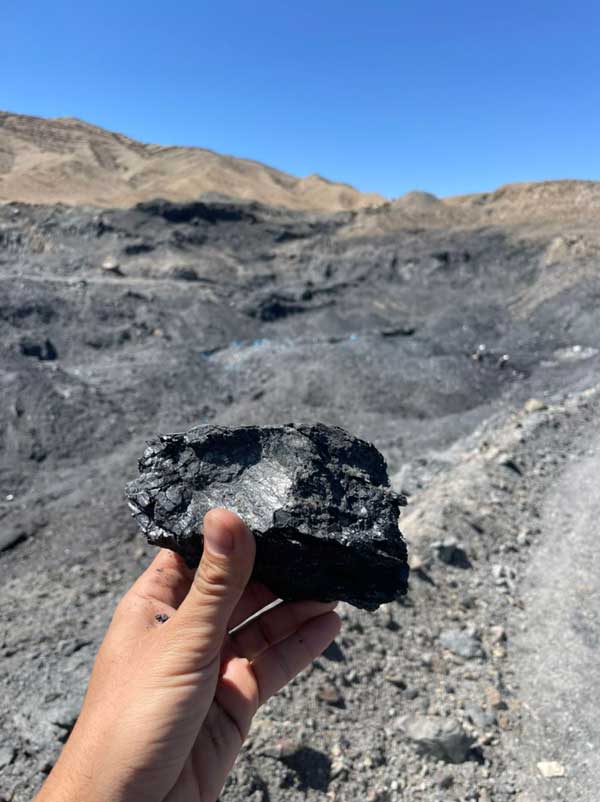
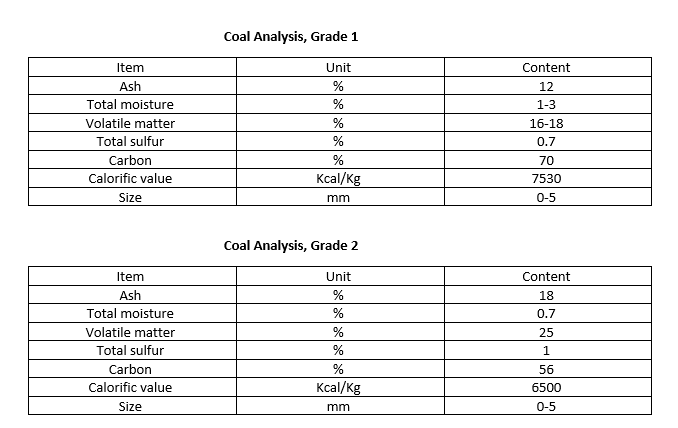
The type of coal in Bahabad mine is thermal type with a specific gravity (density) of 1/4 gr/cm3.
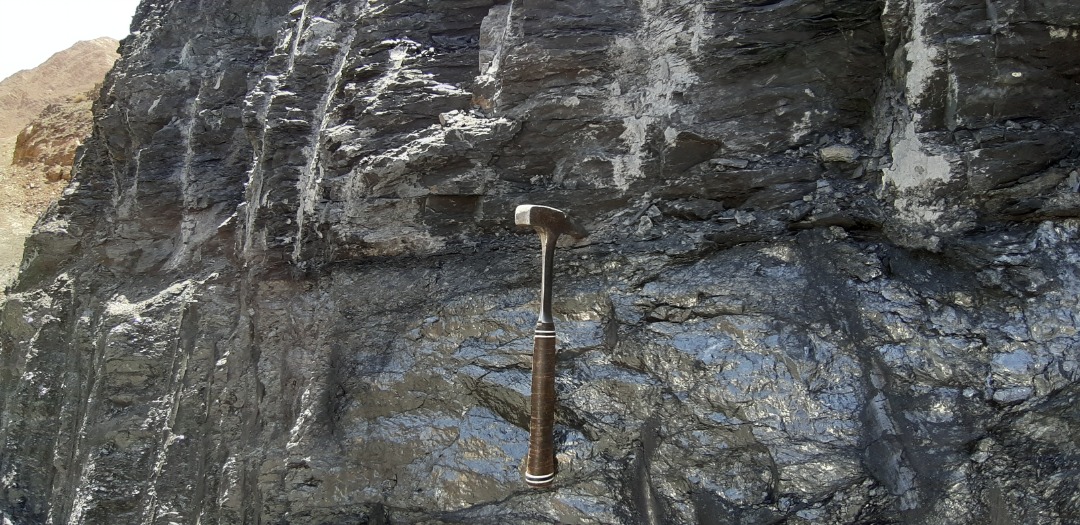
Coals are sedimentary and fuel materials that are formed from the accumulation of plant remains in land swamps or on the coasts of the sea due to metamorphic processes after chemical, physical and biological changes. Coal is formed during changes called the coalification process. Coal contains compounds such as sulfur, oxygen, hydrogen, carbon, etc.
In general, this high-energy mineral varies in different climatic conditions and depending on the plants, and it has been formed during long periods in different geological eras and in two stages of purification and drainage. This substance is formed from the remains of trees, bushes and other living plants millions of years ago. The growth of these types of plants occurred when the climate of the earth was mild and humid. Then the conditions were provided for the growth of tropical seed ferns and large trees.
These types of plants fall into the swamp after drying, and due to the release of oxygen, anaerobic decay accelerates and peat is formed. Peats are sometimes brown and sometimes black, which turns into lignite coal with the advance of the sea on them.
This stage is the first stage of transformation of plant remains to become coal. This stage refers to a dense mass of plants that have been incompletely decomposed, and at this stage this dead plant mass cannot be called coal.
Brown coal is known as the lowest coal and is used to generate electricity, but it causes the most damage to the environment. The jet type is used for semi-precious stones.
Its degree of coalification is between lignite and bituminous coal. This type is used to generate electricity.
This type is a dense coal that is black or dark brown with light and opaque bands. This type is also used for electricity generation. In addition, coke with high carbon content is produced from its distillation.
This type of hard and black coal has the highest grade among all coals. Anthracite is black and shiny and has the lowest amount of water and volatile substances and the highest amount of carbon. In addition, this type of coal is also called thermal coal, and this is how the stages of coal formation are reached.
Coal in nature has different types depending on the environmental conditions and the forces that the earth applies to it. In general, coal is divided into two types: thermal coal and metallurgical coal, which is actually coking coal. Thermal coal has less carbon content and calorie value than coking coal, and its moisture is also higher. In terms of abundance, it is in the rank of fossil fuels and is used for energy production.
Coking coal is less common in nature than thermal coal, and a definite boundary between these two types of coal cannot be defined. Sometimes coking coal may even be used instead of thermal coal.
In Iran, coals are divided into two categories.
1- Thermal coals or with a weak degree of coking such as gas and oily gas coal, lean coal and anthracite coal
2- Coking coals such as oily and coking and oily coking coal
Thermal coal itself is also divided into 2 categories, low-calorie thermal coal and high-calorie thermal coal, the reason for this difference is related to the stages of coal transformation in the earth.