After copper and aluminum, zinc is one of the most important and widely used metals and non-ferrous metals, and it is used in various industries due to its favorable properties. The main application of zinc is galvanizing and various alloys. It can be said that 48% of the world's zinc production is used in the galvanizing industry, 18% in brass production, 15% in the production of other alloys, 8% in the production of chemicals, 7% in the production of semi-finished products, and 4% in other fields. However, in terms of final consumption, studies show that 48% of zinc production is used in the construction industry, 10% in the production of machinery and technical equipment, 10% in the production of household products, 23% in the automotive and transportation industries, and 9% in infrastructure industries.
Production of zinc oxide from low-grade lead and zinc ores
The main method of zinc production in the country is hydrometallurgical process (leaching with sulfuric acid, purification by cementation and electrowinning). The grade of zinc in the feed used for these plants must be high (at least 15) in order to produce the permissible concentration for electrolyte solutions. In the leaching section, the use of feed containing carbonate minerals (such as calcite and dolomite), in addition to high acid consumption, also creates problems in the electrolysis process, and also the dissolution of silicate minerals has a low efficiency.
The best method for processing and producing zinc from low-grade zinc ores with carbonate and silicate rock hosting is the Waelz Process.
The basis of the Waelz furnace is the reduction and evaporation of zinc metal using coal at a temperature of about 1050 degrees Celsius.
The feed of the Waelz furnace can include various types of zinc-containing ores (such as sulfide, silicate and oxide ores) and various factory wastes (such as waste from smelting and zinc ingot production plants, filter press cakes, dust from electric arc furnaces, etc.).
The rotary kiln for zinc reduction was developed about 90 years ago by the German company Krupp for processing lead and zinc mineral ores and then for processing dust from electric arc furnaces around the world.
Traditional rotary kilns for zinc reduction have a structure similar to a cement kiln and are integrated kilns. Experiences in using traditional reduction furnaces and the problems facing it, such as the high percentage of coal consumption and the difficulty in controlling the furnace, led Sarmak Mining Company to increase the efficiency and productivity of this furnace and reduce coal consumption by making changes to the traditional reduction furnace. With these modifications, the use of the furnace has become easier due to the operator's mastery of the various environments of the furnace.
The innovation in the modification of the rotary kiln for zinc reduction was carried out after years of research and based on the results of processing experiments on low-grade lead and zinc mineral ores and low-grade hematite iron ores. This innovation in the modification of the traditional Waelz furnace has been patented.
Description of the zinc oxide production process
The input feed to the Waelz furnace (low-grade lead and zinc ore from Tekiyeh mine) has about 3% lead and 5% zinc grade. The capacity of Ahangaran reduction furnace is about 500 tons per day.
In the reduction furnace process, the feed, after crushing and granulation and reaching a size of about 3-10 mm, enters the furnace. The Ahangaran reduction furnace consists of three sections called preheating furnace with a temperature of 300-400 degrees Celsius (12 meters long and 3 meters in diameter), calcination furnace with a temperature of about 700-800 degrees Celsius (24 meters long and 3 meters in diameter) and reduction furnace section with a temperature of about 1200 degrees Celsius (20 meters long and 3.5 meters in diameter), which are placed perpendicular to each other, so that the input feed enters the next furnace after exiting one furnace.
In the dryer section, the moisture in the initial feed is removed by contact with the gas exiting the calcination furnace gases. In the calcination furnace, the carbonate minerals in the feed are calcined and the carbon dioxide gas contained in it is released and exits with dust particles. In this furnace, roasting or removal of sulfur dioxide gas is also performed if there are sulfide compounds in the feed. The environment of this furnace is oxidizing so that the removal of carbon dioxide and sulfur dioxide gases can be done easily.
Sulfur dioxide, volatile materials and chlorine and fluorine compounds, if present, are released from the feed in the calcination furnace and enter the dust collection system (which consists of cyclone, Venturi scrubber and cylindrical scrubber), these compounds are removed in several stages using water and other alkaline compounds such as lime water.
The calcined feed with a temperature of about 800 degrees Celsius, along with coal (as a reducing agent that is only charged in the reduction furnace section) enters the reduction section of the furnace. As a result of burning part of the coal and also by means of the torch at the end of the reduction furnace, the temperature reaches about 1100-1200 degrees Celsius.
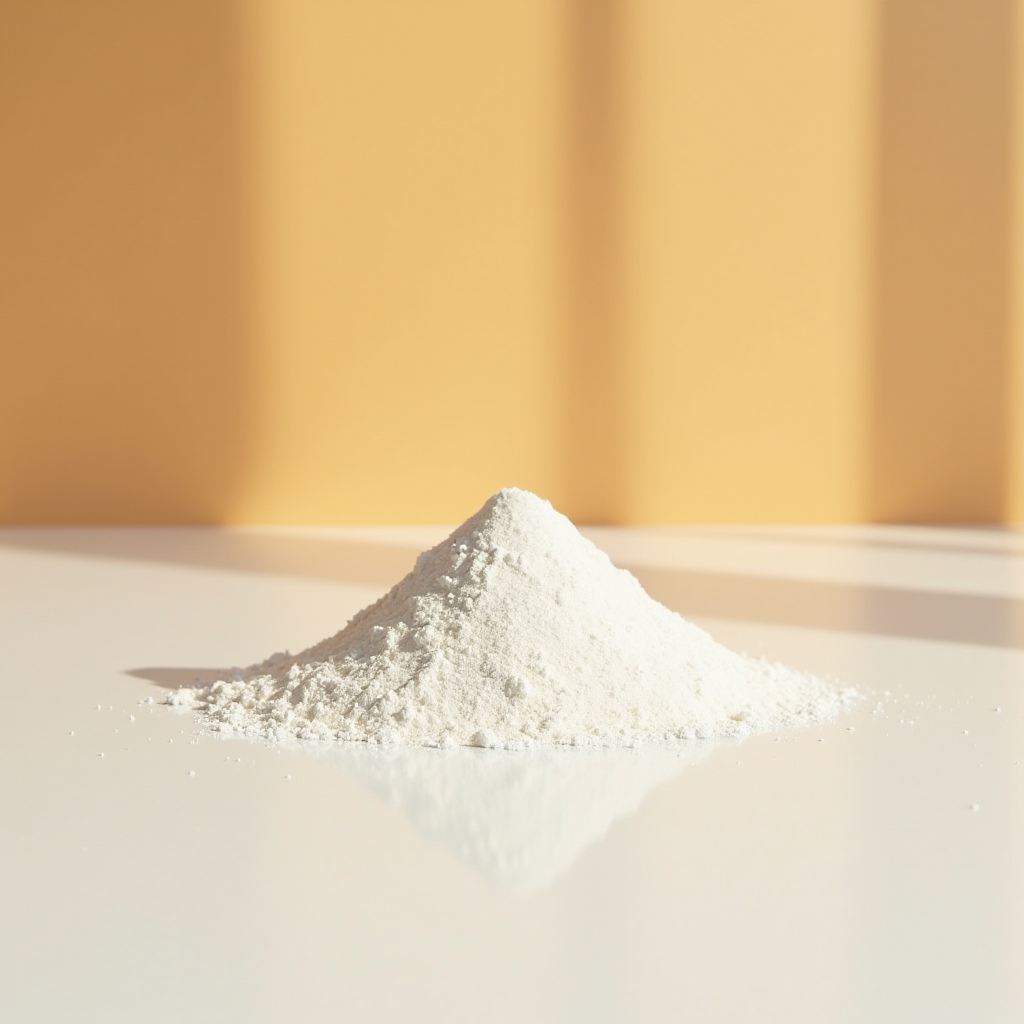
In this process, the zinc metal in the feed is reduced and evaporated with coal. After evaporation, zinc in the gas phase reacts again with the available oxygen and oxidizes to form white zinc oxide powder.
The gases containing zinc leaving the reduction furnace at a temperature of about 900-1000 degrees enter a settling chamber or settling chamber so that the coarse particles settle in this chamber. The hot exhaust gases from this chamber, with a temperature of about 700-800 degrees Celsius, then enter cooling pipes with a total length of 400 meters to be cooled by air.
The cooled zinc oxide-containing gases at a temperature of about 200 degrees enter separating cyclones to separate the coarser particles in these cyclones, then these gases enter a Venturi scrubber. In the Venturi scrubber, the zinc oxide-carrying gases are strongly mixed with water to separate the zinc oxide from these gases. To completely remove zinc oxide, a packing scrubber that is in series with the Venturi scrubber is used, so that in this scrubber, the remaining zinc oxide is completely removed by spraying water in the form of very fine droplets.
The zinc oxide-free exhaust gas enters another cylindrical scrubber to remove other pollutants such as carbon dioxide and to meet environmental standards. In these scrubbers, water and lime water are sprayed to remove pollutants so that the exhaust gases from the furnace enter the atmosphere without the least pollution.
After reduction in the furnace, the feed is finally poured from the end of the furnace down as molten waste into its special discharge site. These materials are transferred to the waste depot after cooling.
The efficiency of zinc and lead extraction in the Waelz furnace is about 90-95% and the zinc oxide product of the furnace contains about 65% zinc and 14% lead.